Monday, 28 October 2013

Research: Age Certificates


What Is BBFC? 
They are the British Board Of Film Classification, they serve a function in the social society which protects us as an audience from watching films that are suitable to watch at certain ages, (U, PG, 12, 12A, 15, 18, R18). The BBFC provides the parents of the child with information of the age certificate so they know the age that they can watch a film with their child in the cinema. Also with the age certificates and the banning and cuts of films they can protect the vulnerable viewers of the society which have/are being protected because of the BBFC. 


Age Certificate: 
- U (Universal) 
This age certificate is suitable for all ages to watch, which means even pre-school children are able to watch this film as well, without the parents having to be afraid of what their child is watching and thinking if it may be harmful for the child to watch.


- PG (Parental Guidance) 
The age certificate PG is aimed for people that are 8 years old and above, with a parent when watching a film with this age certificate, a child that watches a film with this age certificate could disturb the child. With this age certificate it is the responsibility for parent to check if the film is suitable for the child when watching this film as the child may become disturbed when watching a film of this age certificate. 


- 12&12A 
With these two certificate is they both are for the audience 12 and above not below. The children at the age 12 may not become disturbed, but the children that are 12 and below may be disturbed when watching a film that isn't for there age. Also the difference between the two certificates you may be wondering is that the 12A is when a parent is advised to see if it suitable for the child, as the child may be sensitive and may not be able to watch that film. 

Also the reason why there is 12A, is because of the fist spiderman film because at first it was a PG and the audience complained that the film was to violent for that age group. Then they made it a 12 rated certificate, even after increasing the age group the audience has still complain about the film, so that when the BBFC decided to make the 12A as it would provide the parents with the power of their child being able to watch a film that they feel it is suitable for them, as the parents can advise the child if it is suitable for them. 


  - 15
This age certificate is for the audience of the ages 15 and above, because it isn't suitable for the audiences under the of 15, also with a 15 rated film no - one under the age of 15 wouldn't be able to buy or rent a film with this age certificate.


- 18
This age certificate is aimed at the audience 18 and above as the content is not suitable for the audiences that are younger because it has content on illegal drugs uses, criminal acts, sexual and sexualised violence. An 18 age rated film below. 


Thriller Age Certificate: 
The thriller age certificate is 12A and above as the storyline and the content can scared and make the audience think about the film, for example psychological thriller films make the audience think deep into the film to keep them interested but the storyline is confusing if the audience isn't used to figuring it out as it may confuse the audience, also the reasons that the thriller films are at the age rated 12A and above because of the illegal drug uses, sexual violence, criminal acts, and strong violence the BBFC rated thriller films at the 12A, 15 and 18 because the films can only suit these age certificate because of these content. 

Conclusion:
In my conclusion i have gain lots of knowledge about the age certificates and be able to judge on my own thriller to know what my audience it may be aimed to with the content that is shown. My personal opinion is i think that age certificates is great because it is able to separate films with a certain type of age groups because it can protect the audiences from what is shown, also with the content that is shown in the 15 and 18. If there was no age certificate i think that the young would be corrupt as they grow older if they can watch anything that is in the cinemas because the content that there is may influence the child and it could start the child's mind thinking that killing is fine and there is nothing wrong and the child grows up to be a murder for example. Because of the age certificates it protects the young from being corrupted at a young age until, the children understand that killing, drug use and sexual violence ETC is wrong and they would know the difference between the real world and the film world. 

Sunday, 27 October 2013

Research: Censorship


What is film censorship?

Film censorship is when a film is needed to be re-edited or even have cut outs in the film, or change some of the films scenes. Maybe due to the amount of content that the film has shown as it could be said has harmful to the audience watching the film. Also the films can become banned from the country or go through loads of cuts from the film so that it doesn't have the content too disturbing and if the BBFC finds the film suitable for the age group that they think is right to the audience.


Role Of BBFC: 
In the UK the BBFC is responsible for all the national film classification that the british citizens watch in the cinemas or any where else. What the job of the BBFC is, to protect the public from any harmful and offensive type of content that is shown in the film that could possibly harm the members of the public by stopping it being released in UK cinemas unless the film has been changed or edited that the BBFC wants. For example; censor the scene or cut out the scenes. 
They could ban the film if the want if they think it is too harmful towards the public.

What Gets Censored?

- Strong Violence
- Sex & Nudity 
- Sexual Violence
- Language
- Controversy And The Press
- Corrupting The Young
- Religion 
- Drug Abuse
- Class
- Graphic Representation Of Realism 

Difference Between Cut & Banned:

The different between banned and cut is when a film is banned it is then banned completely removed from the cinema viewing to the public audience due to harming and offensive content. And the cut from the film is cutting things out of the film to protect the audience from what they are viewing. The people that do this, does it to protect the public from the harmful content that the directors make, that the audience may become exposed from watching the film. Also things in the trailer may be cut out because it could possible be too harmful for the young audience to watch.


Forna & Kemode....

These two people are fighting for and against the censorship of films. These two people was on a TV show in 1999 on channel 4 on a short season about censorship. During this show there was a case about the censorship of films which these two people have debated about. 

Four arguments made by Forna for censorship were:

- To protect the audience from racist view social stereotypes. 
- To protect the audience from the bias views. 
- To protect the audience from being influenced by the movie. (E.G. Think being raped is good/pleasure.) 
Copycat Killing. 
- Human manipulation in real & film world, thinking it's okay in film but not real life. 

Four arguments made by Kermode against censorship were:

- Being told what you can't and can see watch - difference between right and wrong. 
- Fear of expression - freedom of speech. 
- The public should be able to distinguish between action and non - fiction. 
- Everyone has their own response to things - not just a general emotion. 


My View: 
I think that i am more on Forna's side because i do think that i should be protected in watching certain things in the cinema's, also while the BBFC is putting age certificates in what goes into the cinema of what i can watch and also is cutting and banning films in the UK, i think this is right because it wouldn't allow me as an audience to become effected by the films that i watch. For me i do agree a little bit with Kermode because i do feel controlled by the things i watch, but thats where feeling protected and knowing that certain things is wrong. But if there was no control in the film industry of banning and cutting films i think i would have been influenced because of the films. 

Conclusion: 
What i have learned about the film regulations i that not to be to explicit in the thriller that i am going to make. Also not to show any sexual violence or nudity. Because knowing that i have boundaries will allow the thriller i make not effect the audience in where they will not know the difference or be manipulated from the thriller. 

Research: Narrative Themes


What Are Themes?
Themes is the most understanding in common ideas that is in the story, themes is simplified word to which is summed up in one. (E.G. Love, Obsession, Revenge). 
Themes are important because the audience will understand what they are watching because of the theme of the film, for example obsession will be the antagonist wanting something so bad until they will get what they want (the female victim). 

The themes are dependant on the genre because the genre will help the audience understand the theme in the film which can empathises the emotions the audience can create when watching the film. 

Common Themes In Thrillers: 
Love - Love is common in the thriller films because it can show the whole story of the film which can create new types of thriller in the film industry.
Obsession - This is common because it can show how the obsession of one character can make a whole film and give thrills to the audience.
Death - This is common in the thriller film because the death of someone in the film can create a emotion to the audience which can thrill the audience when watching the film. 


Impact of themes:
The impact of themes towards the audience is that they can have emotions created from the theme of the film, which allows the audience to empathises the emotions that the film is trying to create. Th certain themes in a film can create different types of emotions towards the audience, because of the theme. The theme can impact the audience because it can change the way the audience starts to think after watching the film, this is because of the way the director has shown the theme in the film which can create this effect.

Conclusion:
The themes that i am going to use in my thriller is obsession, death and love. These three themes can create lots of different emotions towards the audience so they can see how the characters are and how they feel, the reason why i have chose these themes are because of the storyline of the thriller i am making and my thriller has been created around these themes to create this idea of my storyline.

Research: Narrative Theory

Narrative Theory: 

Narrative is lots of different events that are linked together to help create a story from it. As we are the audience the narrative is what allows us to make sense of the storyline and what is going on in the film, without the plot in a film the audience would become mislead as the film wouldn't have created any type of mood to the audience and the audience wouldn't have the effect what the director would want. Narrative is aimed to explain the narrative structure and the relationship with all the different genres related.

Propp's Theory: 
Propp's is the person that has looked that the characters and has made the characteristics, all the characters have a narrative function in the film; they all provide a structure for the narrative of the story.   

The Hero - This is the main person in the film, they are the character to protect something or someone in the film. 
The Villain - This character is another main character in the film, but they are the opposite of the hero because they mess up or destroy what the hero is protecting.
The Helper - This is the person that helps the hero in his/hers time of need.
The Dispatcher - This character could be someone that helps the hero, or be the villain. 
The Donor - This character is the helper in the film because they will help the hero in a way. 

Complication - The hero plans action against the villain 
Transference - Hero reacts to the donor
Struggle - Villain has to be overcome
Return - Hero arrives home and is not recognised
Recognition - The false hero or villain is unmasked


Todorov Theory: 
Todorov had a simple theory in the narrative while allowing the narrative to be more complex film with the theory being balanced and unbalanced in the narrative. 
In this theory there is, equilibrium, disruption, resolution, restored order and new equilibrium.
There is a start middle and end. (equilibrium, disequilibrium and new equilibrium). 

Equilibrium - How the character appears stable in the beginning. 
Disequilibrium - Something in the film that has disrupting has happened and a change has occurred which needs to be resolved.  
New Equilibrium - Usually disruption is sorted and the narrative is sorted and the narrative is closed.


Aristotle Theory:  
This theory has a beginning, middle and a end to the narrative which has to link towards the audience. This is important because it is to arouse the emotions of the audience. 

Exposition - The audience gets to know the main character. 
Rising Action - Protagonist understands his or her's goal and begins to work towards it. 
Climax - The turning point of the story, where the main character makes the decision that defines the outcome of the story. 
Falling Action - Greatest overall tension; the phase in which everything goes mostly wrong. 

Research Mise En Scene: Costume, Body Language & Facial Expressions


Body Language:

The body language of the character is the way that they act, move or is positioned in the film shown towards the audience. The way the character has been positioned in the film for example the whole body or parts of the body, the levels that they are at like crouched or standing tall and proud towards the audience. Depending on the on the character in the thriller film there body language shown would be conventional to the thriller film and the same with other genres. 

 Facial Expressions:
Facial expressions in a film is a way that character has been portrayed to the audience, the look on the face of the character and then this creates meaning towards the audience. Depending on the facial expression of the character the audience can tell what the characters emotions are, also the facial expression of shock could show in the thriller scene that someone has approached the victim and there is something bad going to happen.

Costume, Hair & Make Up:
Costumes are conventional in amongst all genres in the film industry, a common convention of costume for the antagonist is dark clothing to show the evil of the character. This is evident, because in all thriller/horror genres the antagonist is wearing black clothing all over, this is because when killing someone the blood wouldn't show as much also you can become almost invisible to people in the dark. 
The common conventions of a protagonist in a thriller film is that they wear light colours to show the innocents of the character. This is most evident in when victims are in the scene because they mainly wear white coloured clothing to show purity and this is the complete opposite of the antagonist.


In this photo you can see that casey has been shocked or is scared of what she is hearing over the phone, the body language of hers is shown as closed up and all together as she is trying to find comfort in her to not be as scared from the antagonist over the phone. This creates emotion to the audience because they can emphasis with the female victim as they will have emotions towards her.  Also the common convention of a female victim's facial expression is screaming and crying as they are scared. This allows the audience to feel sorry and scared for her but still wanting to know what is going to happen to her. As well as the body language and facial expression the costume in the scene/film is important because the common conventions of the characters costume will allow the audience to know what the characters role in the scene/film is.


Protagonist common conventions:
- Organised look 
- White/Light Coloured Clothing
- Clean
- Mainly Blonde Female Victims

Antagonist common conventions:
- Dark Clothing 
- Tall 
- Hood 
- Facial Defect
- Dark hair

Reaserch Mise En Scene: Setting & Iconography


Setting:
Setting is the place where the scene has been set in the film, what the setting can do to the audience is allow them to know where the scene has been set and also to know if the area is a bad place, like being in a isolated area which makes the setting of the scene even more scarier to the audience because they know that there might be something that would happen there since it is in a isolated area which makes the characters vulnerable.

Iconography:
what iconography is a subject/object that has some importance in a scene or film. Why iconography is important in a thriller film because the object can connote to the audience what the pbject might have done, to become important in the scene/film.


Conventional settings:

  • Forest
  • Deserted house
  • Warehouse
  • Basement
  • Alleyway
  • Place of work
  • Street

Scene Analysis:
In the beginning of the scream scene the location of the scene has been set in a big house alone with a near field to it. The house could show to the audience how the female victim is weak and vulnerable as it has been set at night and she is alone at home preparing to watch a movie. This allows anything to happen to the female victim, because the audience can sense that there is something wrong going to happen because of where it has been set they start to feel tension and scared for the victim, and if anything happens as she is in an isolated area it would be easy to hide anything without being noticed.

Friday, 25 October 2013

Research Mise En Scene - Lighting


Mise En Scene 5 Elements

- Setting 
- Lighting
- Body language & Facial expressions 
- Iconography 


What lighting can help create:

What lighting can help do is create mood and atmosphere in a scene or the film. Lighting can also do is allow the audience to be guided to a particular person, object, emotion or a gesture. For Example: if you see a character being shown, but only the shadow of that character. This can create suspense, tension or mystery for the audience as they don't know who the unseen character is. 

Under Lighting: 

Under lighting comes from the bottom point of the character, as this can create a effect. This effect that can be made with this type of lighting can distort the shown character. 


Top Lighting: 

Top lighting that comes above the character. This has a spot light type of effect that can make the character stand out to the audience as it can make them look glamourous to the audience. 


Back Lighting:

Back lighting comes from the back of the character, this can create silhouette's. The silhouette that is made can create a scary and eerie type of effect towards the audience, this is used to hide the identity of the character which makes it more mysterious for the audience.

Low Key Lighting: 

Low key lighting has small  amount of light that can create a eerie can scary feel. This is used in a isolated areas to scare the audience and give them a eerie feel towards the area. 

High Key Lighting: 

High key lighting has more light that has been added to the scene or film, more brighter than the natural lighting.


Coloured filters:
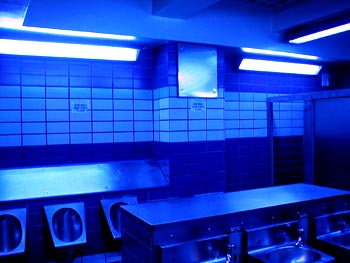
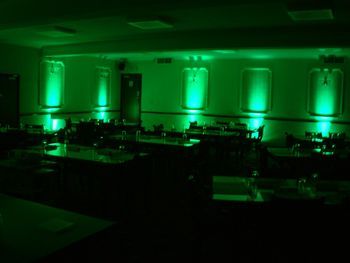
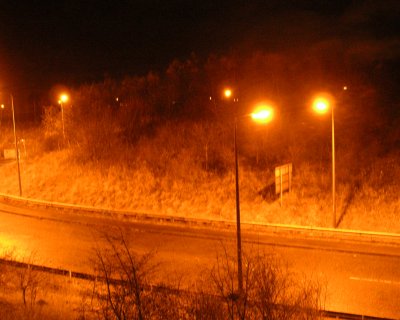
The different coloured filters can represent different meaning or mood in a thriller film depending on what the director is trying to show to the audience. for example; the red filter can represent blood, danger, anger, love and death with this filter the director can put this filter in a scene to show one or more of the meanings.


Examples Of Colours And Meanings:
Red - Horror/Thriller
Dark Blue - Thriller
Grey - Thriller
Grey/Blue - Action
Orange - Action/Adventure
Green - Sci - Fi/Crime

How did the light create meaning and understanding in "the mood and gutter" scene?

The red lighting in 'the mood and gutter' scene creates understanding towards the audience showing the audience that there is something that is going to happen to the female character. As the red lighting is shown in the scene it may represent blood or danger also as the female as walking the red low-key lighting started to hit her pure white innocent dress as she walked and increase faster and faster. The director has used low key lighting in this scene because the audience is able to see that the female victim is in an isolated area with very little lighting other than the dim street light and the red lights and the moon light, with the moon being shown a number of times this could mean to the audience that something dangerous is going to happen to the female as it is a full moon night. The full moon can represent that there are future happenings. Also adding on that back lighting has been used when she has been shown when trying to run away, also using the back lighting shadows can be created and to show the audience an understanding that some bad is going to happen to her. 


Sunday, 20 October 2013

Scream Analysis


How is the opening sequence of scream conventional to a thriller opening?

This opening scene starts off with the young woman Casey (Drew Barrymore) is getting ready to watch a movie in her house. The antagonist then torments her over the phone, and the scene ends with the antagonist attacking her and left for dead.

This scene has been set in a large house, which is in the middle of nowhere. The beginning of this scene the isolated house has been shown with an establishing shot , you see this after she picks up the phone. As this happens when the audience see that she is isolated in her own home, where she is supposed to be safe and comfortable. But if there is anything to happen she will have nowhere to get help or to run away. Furthermore this unsettles the audience because the audience can relate to Casey’s situation, as the audience like to spend their nights in; this will change the audience’s perception of being safe at home. The audience suspect that she is in an isolated area and there could be bad things that happen to her, then her house isn’t as safe as she thought…

With the sounds that have been used in this scene the non-diegetic sound was the soundtrack that was playing in the background, this is shown when Casey is running around the house in the middle of the scene, the reason why there is a soundtrack is to enhance the audience’s reaction to what is happening on screen, also to make them more interested in what happening on the screen. What the diegetic sound of this screen is the phone call and Casey talking down the phone at the beginning, since you know that the sound is part of the film world and it is like it is really happening. This is shown at the start as you can see that Casey is talking to the caller on the phone, also the phone is part or iconography because the phone call is what starts the whole thing in this scene. Furthermore getting back to the conversation with the Casey and the antagonist is diegetic as you could also see where the sound is coming from which is on screen, also in the conversation with the caller she was calm and flirtatious with the caller since see is in her own house and feels safe, because she is comfortable of where she is and with herself she is confident to talk to strangers as she is able to be flirting with a complete stranger...

As the female victim is preparing for her film while on the phone (cooking pop corn) and walking around the house, as she walks around certain parts of the house still on the phone in certain areas of the house there is low key lighting shown and her shadow is strongly casted on the walls. How the audience respond to this is that they suspect that she is in danger because the caller doesn’t seem as innocent as it was shown at first which gives the audience something to think about, but as more and more Casey talks to the caller the more scared she becomes she starts to become frighten as the caller starts to show that this is where he is more evil as he sounds over the phone, soon as the low key lighting area of the house shows to the audience is that she isn’t as safe as she thinks she is, with this is it links back to what I said earlier with how the house is isolated. As she walks though the corridor when she is on the phone this is a sign to the audience that the low key lighting means that the antagonist is catching up with her the more she talks to him, she becomes more vulnerable as she is even more scared of the antagonist, linking with sound the caller uses the phone call to show his power as he doesn’t need to be on screen to scare the victim and to question the audience of what the antagonist is going to do to Casey. Which makes the audience be more on the seats trying to find out what is going to happen to her, if she is going to die or not.

With the audience being on the edge of the seats because of what they see, what makes it more interesting to them is that the pace of the editing that happens in this scene. At the beginning of the film when Casey first picks up the phone the slow paced editing is shown here, and what the audience can interpret from this is that as it is slow paced there would be nothing that would happen to her but as the audience has seen the phone and when it calls. This is when the editing slowly speeds up as I have said previously the more she has answered the phone the more scared she becomes and frighten because of what the antagonist says over the phone. After the third phone call the editing is shown here when it speeds up to faced paced, as the pace of the scene has climbed up with the audience and what has been said in the conversation the audience empathises for Casey as they can pick up that she will either die or get away. The audience can interpret that the phone call is the biggest part of editing and iconography as it is what shows the editing pace of the scene because the phone call is what starts off this scene of the movie, also the phone is part of iconography because of the same reason. However the pace of the scene increased after the third as I said before, but another small part of iconography is that the knife she was playing with over the phone and to use for her defence is the same weapon that ends up killing her….

In conclusion, this opening of scream is conventional to a thriller because it shows all the parts of cinematography, editing, sounds, and mise en scene. With the cinematography part of the thriller it shows the power and fear of the antagonist as well as iconography with the phone shown that the antagonist doesn’t need to be shown in the scene to be scared of. The sounds and editing are linked because the editing pace and the editing of the camera shots work well together as the sounds of the film world and the editing of the scene is slow but as the pace picks up and there is disruption shown on screen the editing speeds up and the scene has a soundtrack in the background to enhance what is happening and to scare the audience and have emotion for Casey. This is a conventional thriller because it has all the elements that are needed for a thriller, and to make the audience feel what they feel when watching a thriller.


Wednesday, 2 October 2013

Research: Editing


Editing is where the movie involves a wide selection and combinations of different editing shots, which this creates a finished motion picture (film). Also the editing of the shots can determine the pace of the film as the editing is faster in a scene the you would expect the scene to be fast paced, also the editing of the film can determine the mood of the film.

In Editing There is a wide range of different types of cuts that the film can use, and the cuts can be used to show different things of the film.

Straight Cut

A Straight Cut is when one shot of the film moves into another in the editing of the film. What this straight cut does is put two different shots together to be able to continue the action of the scene, or to change the scene and what the straight cut can be able to do is add relevant things to the films narrative. This doesn’t confuse the audience and they are able to follow the films plot.

Fade To Black

What fade to black is when the one shot goes or moves into another and there would be a black filter in between the edit, this type of editing is usually used to show the beginning of the film or the end of the film or scene. The fade to black is a smooth edit cut, which doesn’t confuse the audience to follow the film.

Wipe Cut

What the wipe cut is when there is two shots and the first one wipes into the next, it is like there is a line moving across the screen of the first shot reveals into the new shot.

Reaction Shot

What a reaction shot is when the characters response to an event or a statement of the pervious shot which is made by another, what the reaction shot does is also let the audience react to the scene before the reaction shot is there which is usually a build – up of tension.

Montage

What a montage is when the editing is fast and speeding where shots are quickly put together to create confusion or excitement towards the audience on the depending images that is shown in the montage, the shots are edited and the montage is made to show symbolic meaning which means all the images don’t make sense but they all have a link.

Slow Paced Editing

What the slow pace editing is when the clips are put together at a slower pace than normal and what this does is creates suspense in the film. What the slow pace editing can also be used is so that the audience can be able to follow the plot of the thriller film but this can also be signalling to the audience that something could happen.

Fast Paced Editing

What fast paced editing is when clips are put together at a fast pace (to show different camera angles of the action) and what this fast pace does is creating tension and thrill in the audience. The fast pace editing usually comes right after the slow pace as the suspense has built up, to emphasise the fact that something bad in the scene has happened and the character/s are in trouble.

Jump Cut

What a jump cut is a drastic camera movement to distort the audience’s vision of the eye, and this is very noticeable as the eye could clearly see that something is different. You could say that the frame of the images ‘jumps’ from one spot to another.

180 Rule

This 180 Rule is a basic guideline for all film making that would have states the camera has started to film two characters in the scene, that is facing each other either on the left or right, the camera should stay on the same side of the characters for the whole of the conversation, unless the edit shows the camera is moving across from the one side it was on to the other and vice versa, or if the was cut into another shot of something different.


Shot Reverse Shot

Research: Sound


What is sound in films?

Sound is the most important part of the film and the production of it, as this is what mainly the audience’s response is strongest to, as the image that comes up the audience’s reaction of what comes on the screen the sound will enhance the audience’s reaction to it. What sounds are used in the soundtrack of the film is to create the understand of the audience and what this does is allow the characters to show their emotions more effetely in the film. In all of the films what I find the most important convention is the sound as it has the most effect on the viewers and what this does in thriller film genres is that it would emphasise the characters emotions shown on screen and but what the sound does is help determine the way the audience would view on the situation that is in the film.

Examples of Sound
  - Degetic Sound
What diegetic sound is the sound that is part of the film world, what this means is that the characters would also be able to hear in the film for example a phonecall, TV or Radio. Anything that you would expect the character on screen to hear as well as the audience.

      - Non Diegetic
Non Diegetic Sound is the sound that the film makes have made for the film world, to be created for the film, which are soundtracks, sound effect and voice-overs. Non Diegetic sound is not heard by the characters as this sound is part of the film world. In thriller films the sounds are used to help create tension in the scene of the thriller to scare the audience.

Example..

- On Screen Sound:
On screen sound is when audience can be able to see where the sound in the scene is coming from, e.g. car, radio or TV.

- Off Screen Sound
Off Screen Sound is when you can hear sound in the background of the film but cannot be able to see it, and see where the sound is coming from. But the sound makes sense to the film world, examples are a background screams, coughing or traffic sounds.

- Parallel Sound
Parallel Sound is when the sound that we hear in the film does hand in hand with the image on screen (the scene). In other words the audio that you hear match with the visual mages on screen, for example when the character is on the phone you will hear the character and also see it on screen.

 Contrapuntal Sound
Contrapuntal Sound is when the sound does not match the images on screen and does not match your expectations of what the audience is viewing as this make them unsteady and cautious of what is going to happen. A Good example is this ‘Jaws’ Scene.

Conclusion
In my conclusion i think that sound is the most important element, as it will have the best effect on the audiences reaction, as the sound enhances the reaction of the audience of what they see on screen. Sound is the biggest thing in films as it will determine the way the audience will think of what will happen next. What i have learned from this research is that sound is the most effective way to keep the audience interested in the film, because if there is no sound the audience wouldn't have a reaction to the thriller film as they won't be scared.